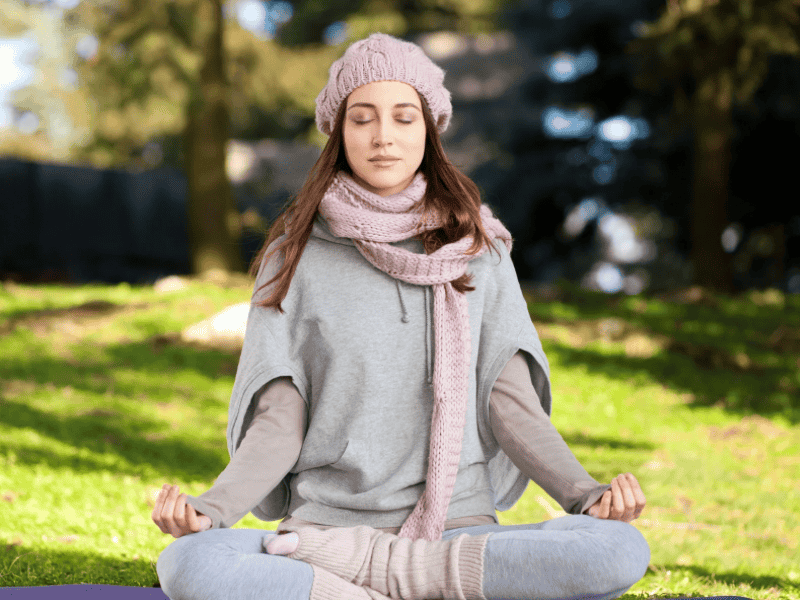
In today’s fast-paced world, stress, anxiety, and mental fatigue have become common challenges for many people. With constant digital distractions and increasing responsibilities, maintaining mental balance can feel difficult.
One of the most powerful and natural ways to restore mental clarity and emotional balance is meditation. Practiced for thousands of years, meditation is a simple yet transformative technique that helps calm the mind, reduce stress, and improve overall mental well-being.
Today, millions of people around the world are turning to meditation as a way to improve their mental health, emotional resilience, and inner peace.
In this article, we will explore 10 powerful benefits of meditation for mental health and why making meditation a daily practice can transform your life.
Meditation is a practice that involves focusing the mind and bringing awareness to the present moment. It often includes techniques such as:
🧘 Mindful breathing
🧘 Guided visualization
🧘 Body awareness
🧘 Mantra repetition
🧘 Mindfulness practice
The goal of meditation is not to stop thinking completely, but to observe thoughts without judgment and develop a deeper sense of calm and clarity.
Even 10–20 minutes of daily meditation can significantly improve mental health and emotional stability.
One of the most well-known benefits of meditation is its ability to reduce stress and anxiety.
When we experience stress, the body releases cortisol, also known as the stress hormone. High levels of cortisol can lead to:
🧘♀️Anxiety
🧘♀️Irritability
🧘♀️Poor sleep
🧘♀️Mental fatigue
Meditation helps activate the parasympathetic nervous system, which promotes relaxation and lowers stress levels.
Regular meditation practice helps the mind become calmer and more resilient in stressful situations.
Meditation allows you to become more aware of your emotions without being overwhelmed by them.
Instead of reacting impulsively to difficult situations, meditation helps you develop:
🧘♀️emotional awareness
🧘♀️emotional balance
🧘♀️better self-control
People who meditate regularly often report feeling more emotionally stable, patient, and compassionate.
In a world full of distractions, maintaining focus has become increasingly difficult.
Meditation trains the brain to stay present and attentive. Over time, this practice improves:
🧘♀️concentration
🧘♀️mental clarity
🧘♀️productivity
Studies have shown that mindfulness meditation can increase the brain's ability to sustain attention for longer periods.
This makes meditation particularly beneficial for professionals, students, and creative individuals.
Many people struggle with insomnia or restless sleep due to overthinking and stress.
Meditation helps calm the mind and relax the body, making it easier to fall asleep naturally.
Practices such as guided sleep meditation or Yoga Nidra are especially effective for people who have difficulty sleeping.
Benefits include:
🧘♀️deeper sleep
🧘♀️reduced nighttime anxiety
🧘♀️improved sleep cycles
Better sleep directly supports better mental health.
Meditation has been widely studied for its positive effects on depression.
Mindfulness meditation helps people observe negative thoughts without becoming trapped in them. This creates a healthier relationship with thoughts and emotions.
Regular meditation practice can help:
🧘♀️reduce negative thinking patterns
🧘♀️increase emotional awareness
🧘♀️improve mood
While meditation is not a replacement for professional therapy, it can be a powerful complementary tool for improving mental well-being.
Meditation encourages self-reflection and deeper understanding of one's thoughts and behaviors.
Through consistent practice, people begin to notice:
🧘♀️recurring thought patterns
🧘♀️emotional triggers
🧘♀️unconscious habits
This increased self-awareness helps individuals make healthier decisions and develop a more balanced life.
Meditation stimulates the production of positive neurotransmitters such as serotonin and dopamine, which are associated with happiness and emotional balance.
People who meditate regularly often report:
🧘♀️greater inner peace
🧘♀️increased gratitude
🧘♀️improved life satisfaction
Meditation helps cultivate a deeper connection with oneself and the present moment.
Scientific studies have shown that meditation can positively affect brain structure and function.
Regular meditation can increase gray matter density in areas of the brain responsible for:
🧘♀️learning
🧘♀️memory
🧘♀️emotional regulation
Meditation can also slow age-related cognitive decline and improve long-term brain health.
Life inevitably brings challenges, uncertainties, and emotional struggles.
Meditation helps develop mental resilience, allowing individuals to navigate difficult situations with greater calm and clarity.
Instead of reacting with fear or frustration, meditation helps cultivate:
🧘♀️patience
🧘♀️acceptance
🧘♀️inner strength
This resilience is essential for maintaining long-term mental health.
Ultimately, meditation is a practice of returning to the present moment.
When we are fully present, the mind becomes quieter and more peaceful.
Regular meditation practice helps individuals experience:
🧘♀️deeper inner calm
🧘♀️reduced mental clutter
🧘♀️greater appreciation for life
Over time, meditation becomes more than just a practice—it becomes a way of living with awareness and balance.
If you are new to meditation, starting is easier than you might think.
Follow these simple steps:
1. Find a quiet and comfortable place.
2. Sit comfortably with your back straight.
3. Close your eyes and focus on your breath.
4. Observe your thoughts without judgment.
5. Start with 5–10 minutes daily and gradually increase.
Consistency is more important than duration.
While meditation can be practiced anywhere, learning it in a peaceful environment can deepen the experience significantly.
Wellness retreats provide a supportive atmosphere where participants can disconnect from daily stress and reconnect with themselves through practices such as:
🧘♀️guided meditation
🧘♀️yoga
🧘♀️mindfulness practices
🧘♀️nature immersion
🧘♀️digital detox
These experiences help individuals restore balance and cultivate long-term mental wellness.
Meditation is one of the most powerful tools for improving mental health naturally. With regular practice, it can reduce stress, enhance emotional balance, improve focus, and promote deep inner peace.
In a world filled with constant noise and distractions, meditation offers a simple yet profound path toward clarity, calmness, and well-being.
Even a few minutes of meditation each day can gradually transform the way you experience life.